Biography
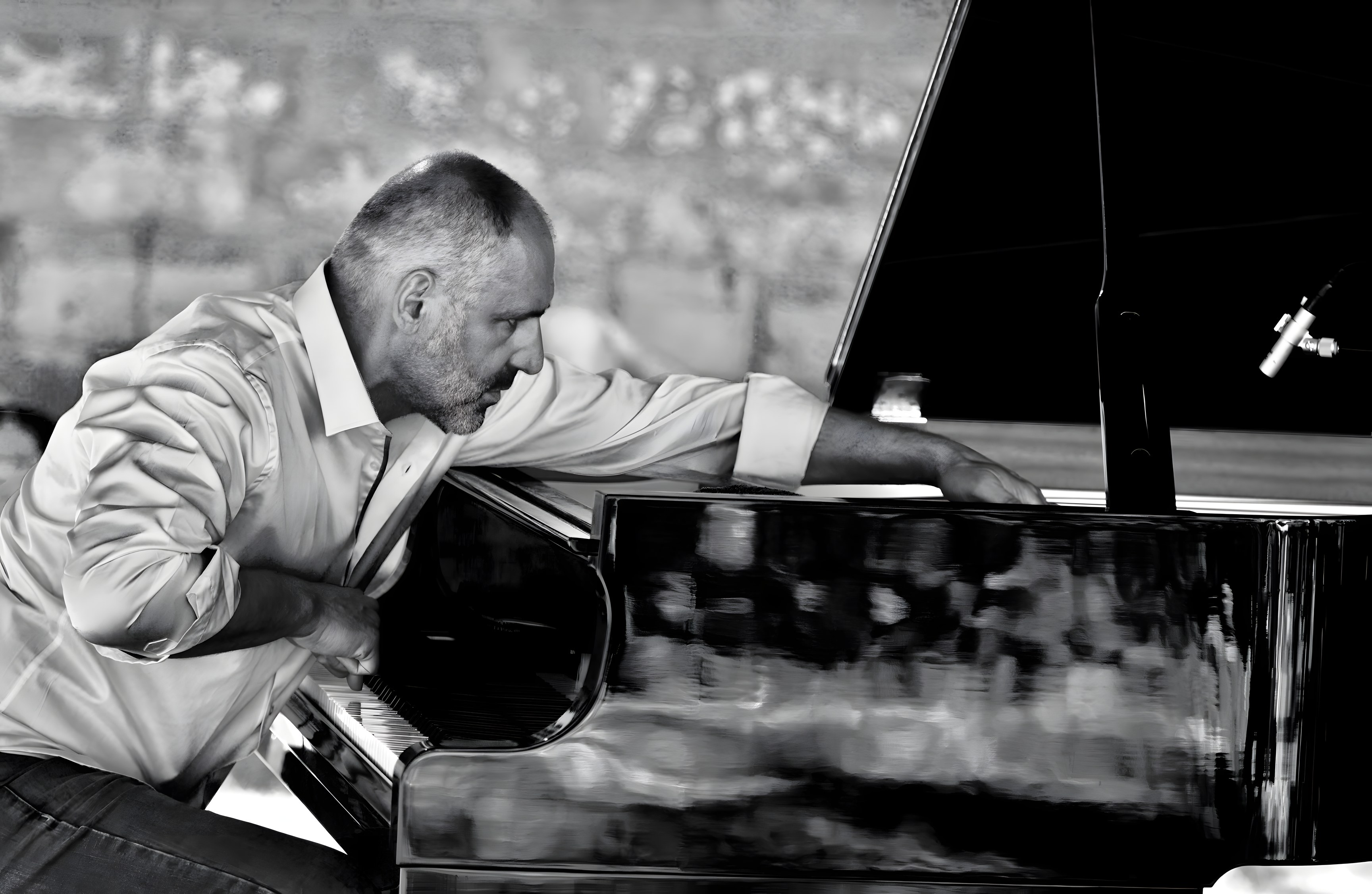
Pascal Neveu was born near Paris, on 22 July 1966, into a family of classical musicians (1). He began playing the piano at the age of four and composed his first classically inspired pieces very early on. He entered the conservatory at seven, but left at fourteen, his compositions struggling to find their place within the academic framework.
Feeling confined by the classical world, he explored new forms of improvisation as a self-taught musician and gradually moved closer to jazz. At twenty, he became the pupil of contemporary music composer Jeanine Richer. The discovery of Keith Jarrett, Thelonious Monk and Cecil Taylor then reinforced his musical direction, while he retained a deep interest in the music of Sergei Rachmaninov.
Driven by his passion for solo piano improvisation and convinced of its appeal to a wide audience, he chose — faced with the difficulties this form of expression encounters in France — to create the conditions for its diffusion, transporting his instrument himself (2).
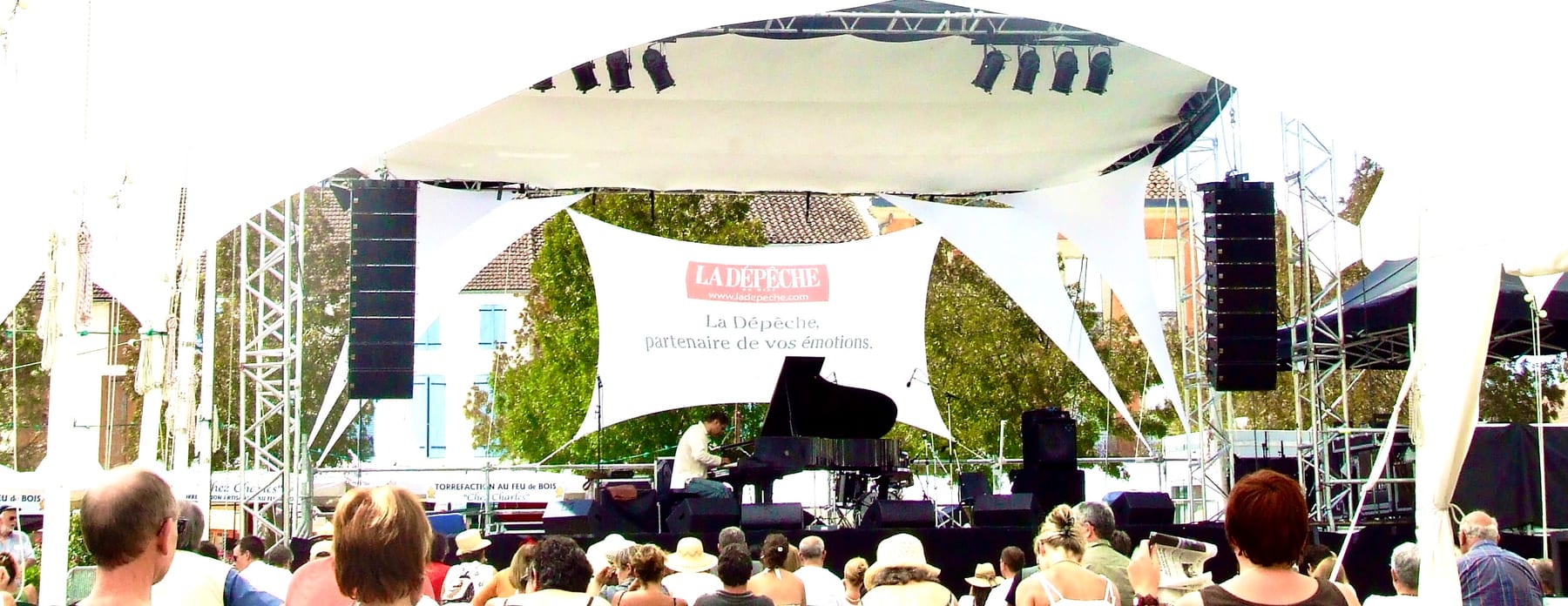
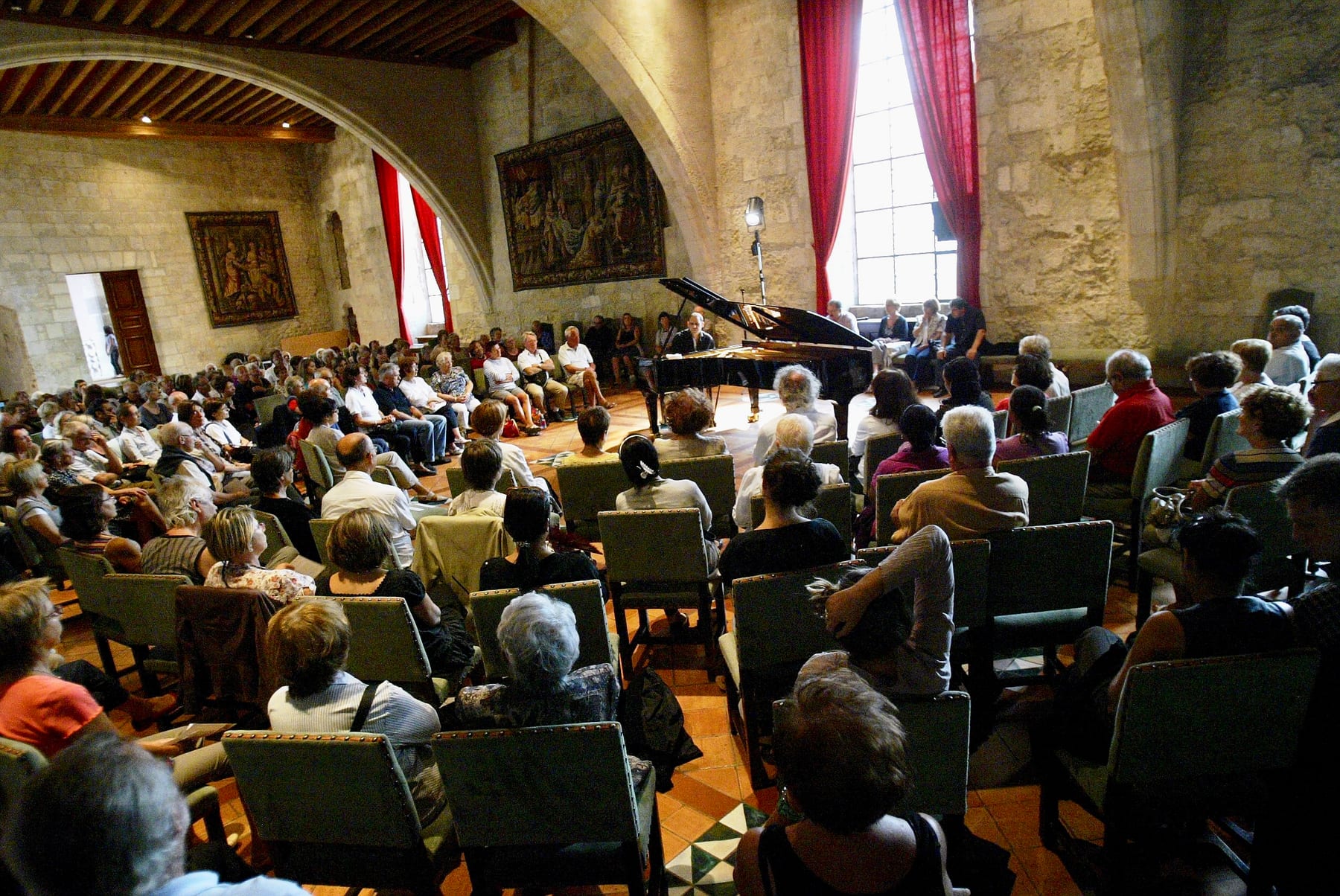
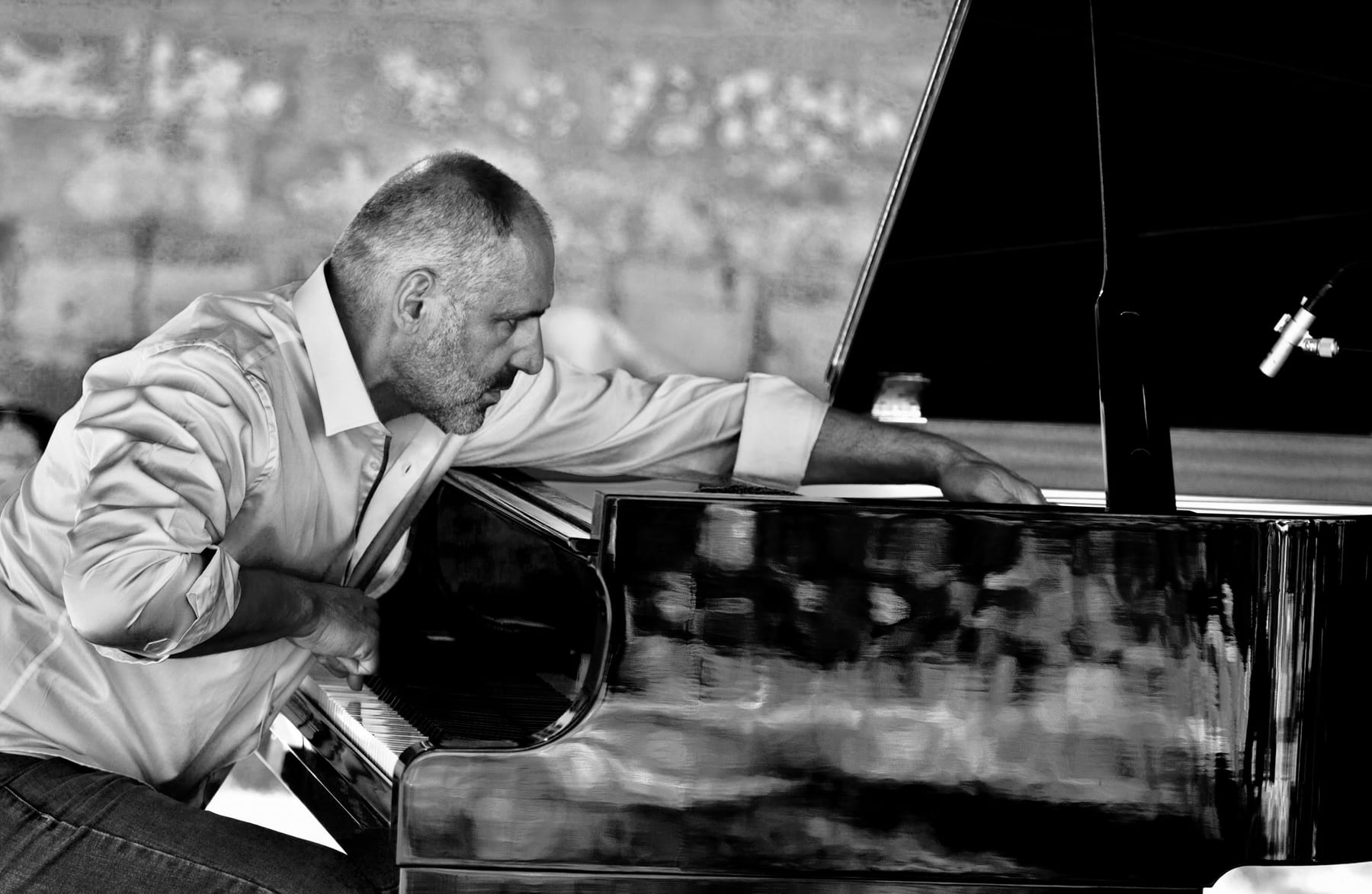
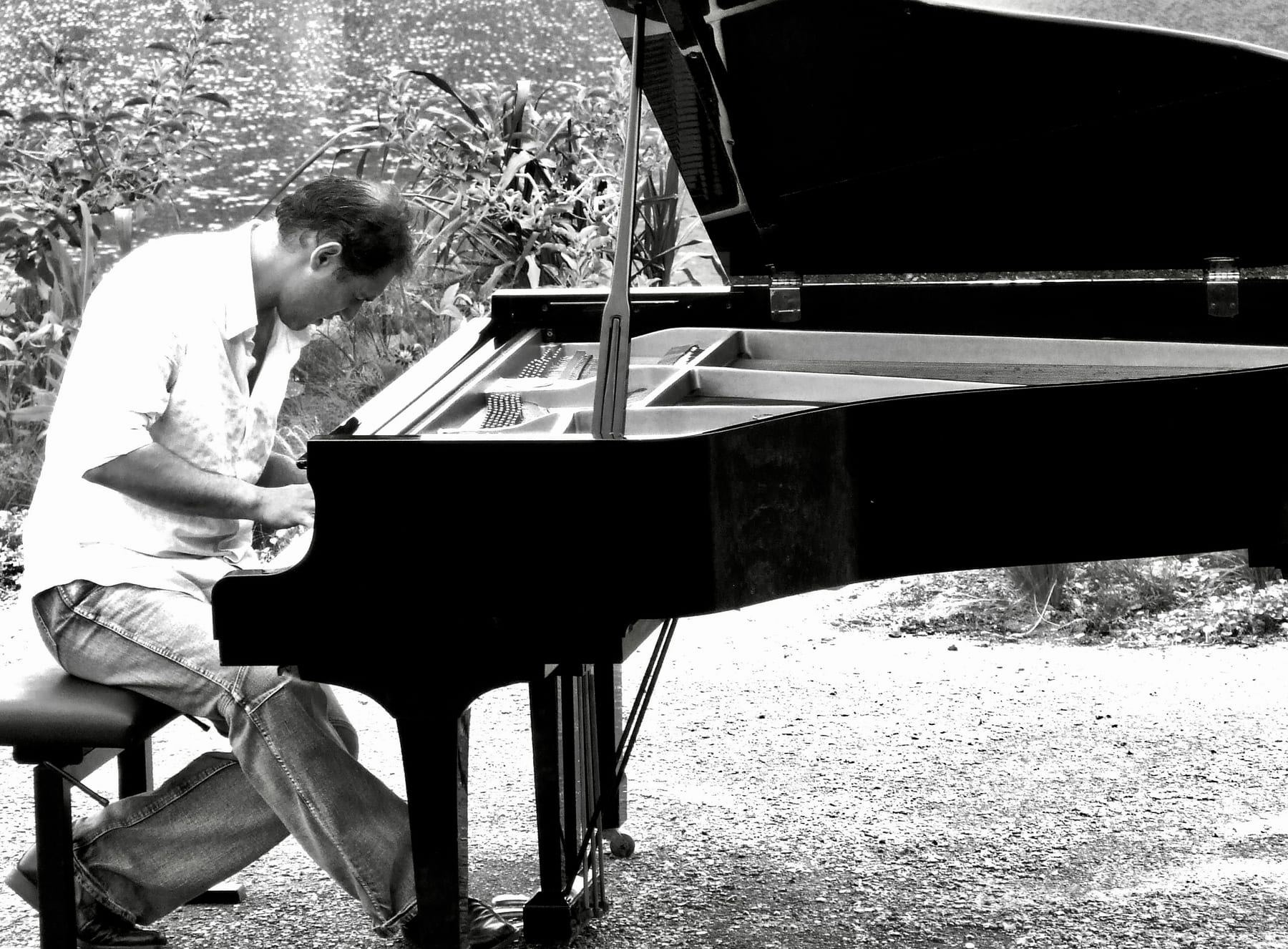
Alongside concert halls, he performs with his piano in many jazz festivals — Jazz in Marciac, Paris Jazz Festival, Jazz sous les Pommiers… — mostly in the open air.
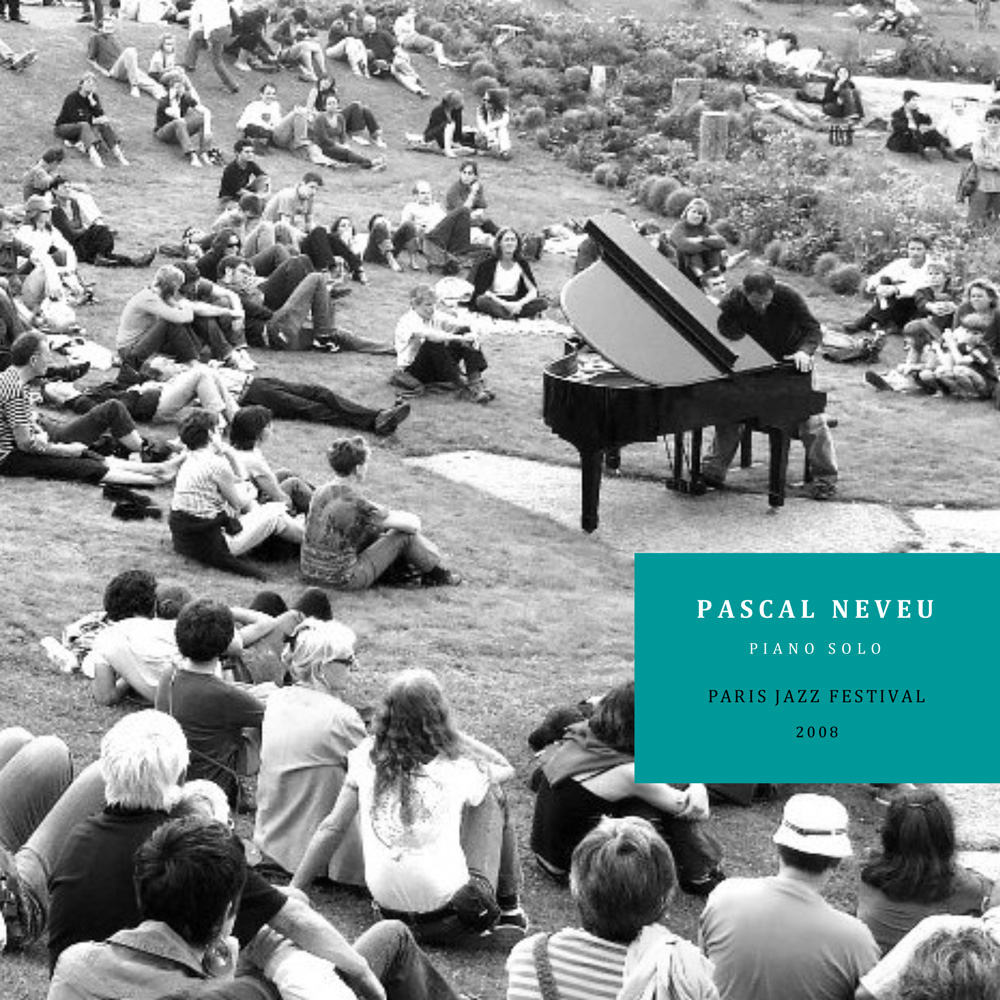
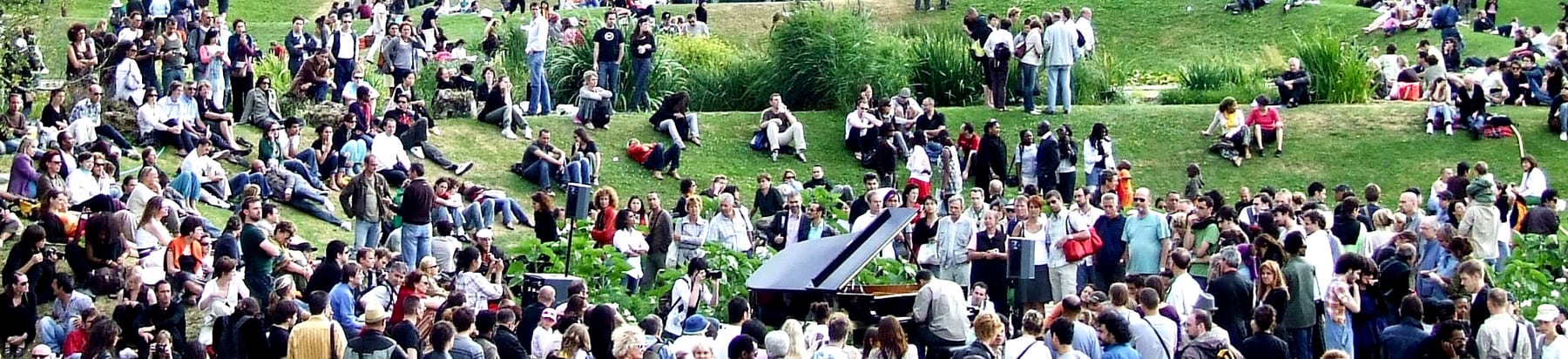
In 2007 and 2008, he gave a series of forty concerts at the Parc Floral de Vincennes as part of the Paris Jazz Festival, and recorded one of them, which became his first live album, simply titled Paris Jazz Festival.
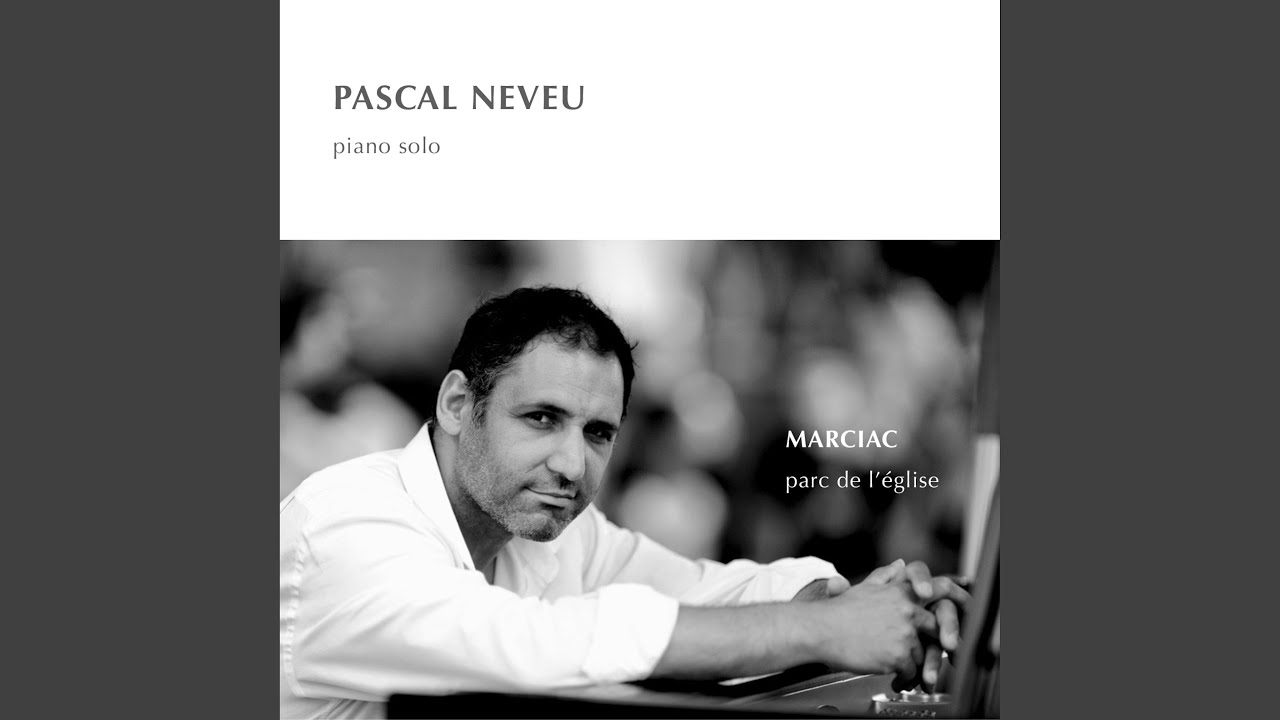
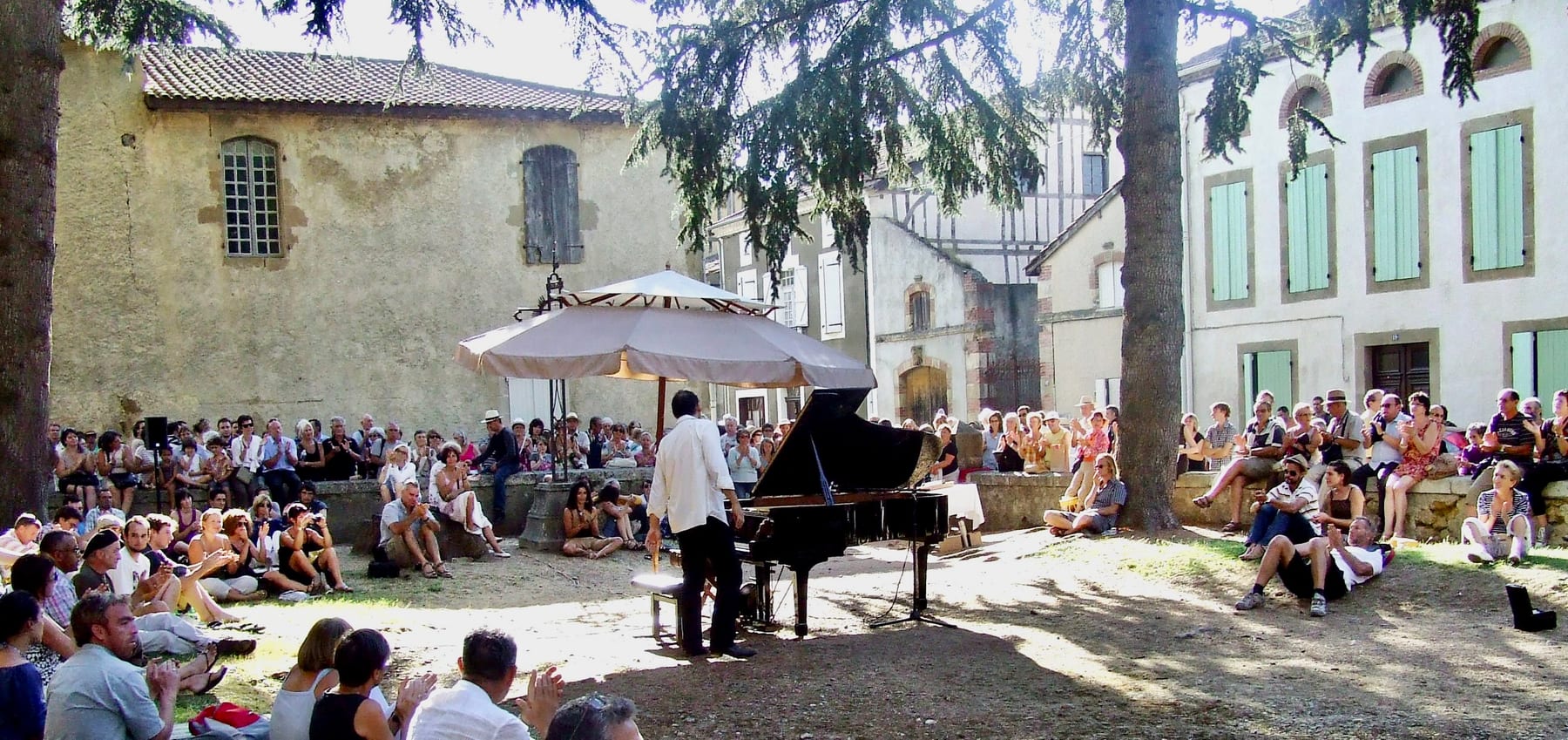
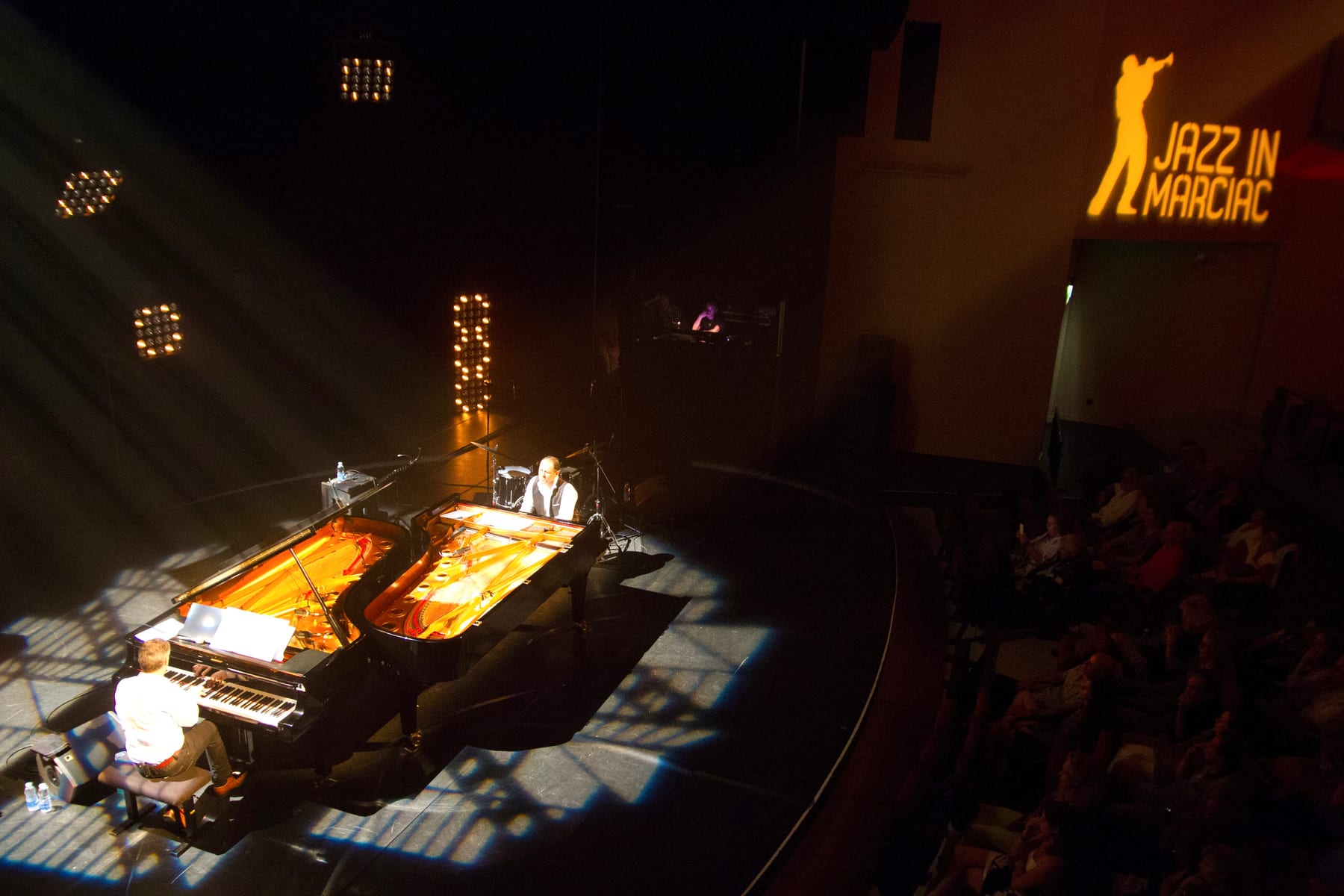
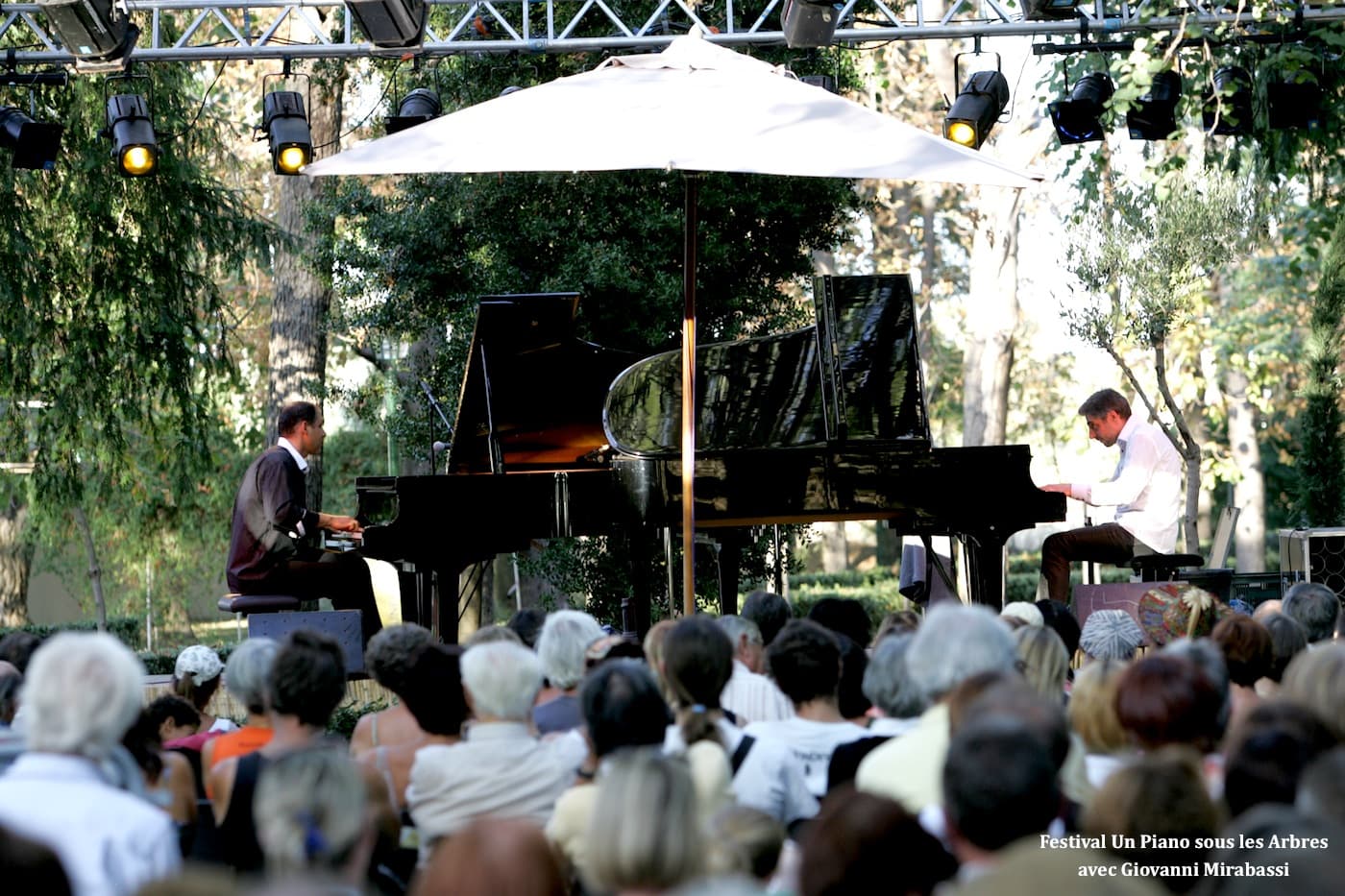
Between 2005 and 2025, he gave nearly a thousand solo concerts, of which 750 took place in the church garden during the Jazz in Marciac festival (3), in the margins of the official programme. Recognised for his talent as an improviser, he was invited to perform on the festival's official stages: the Bis stage in solo, then L'Astrada in a two-piano duo with Giovanni Mirabassi.
His music, often created on the spot, is an intricate weave of jazz, classical heritage and Eastern influences.
- (1)Son of two pianists, he is also the great-nephew of violinist Ginette Neveu and her brother, pianist Jean Neveu — emblematic figures of 20th-century classical music.
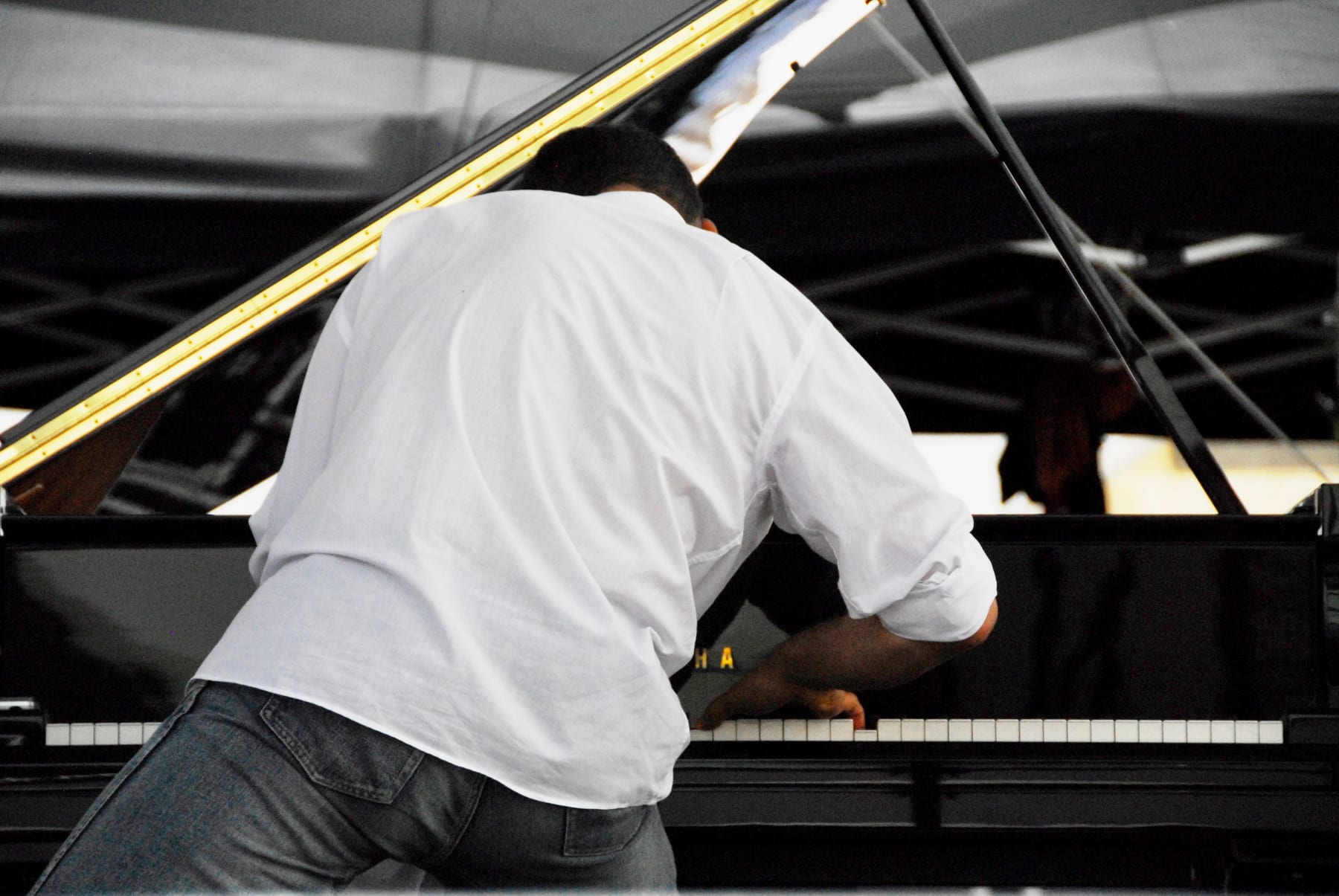
- (2)First the upright piano his mother bought him when he was seven, then his Yamaha grand pianos — C3, C6, C7, today the CFIIIS. He handles the sound of his concerts and produces his albums. He then acquires a professional mobile stage, both a covered stage and a concert hall, which he also makes available to other artists and festivals. Mobile stage 2-in-1
- (3)Live albums: MARCIAC I (2010) 3-CD set — MARCIAC II (2024).
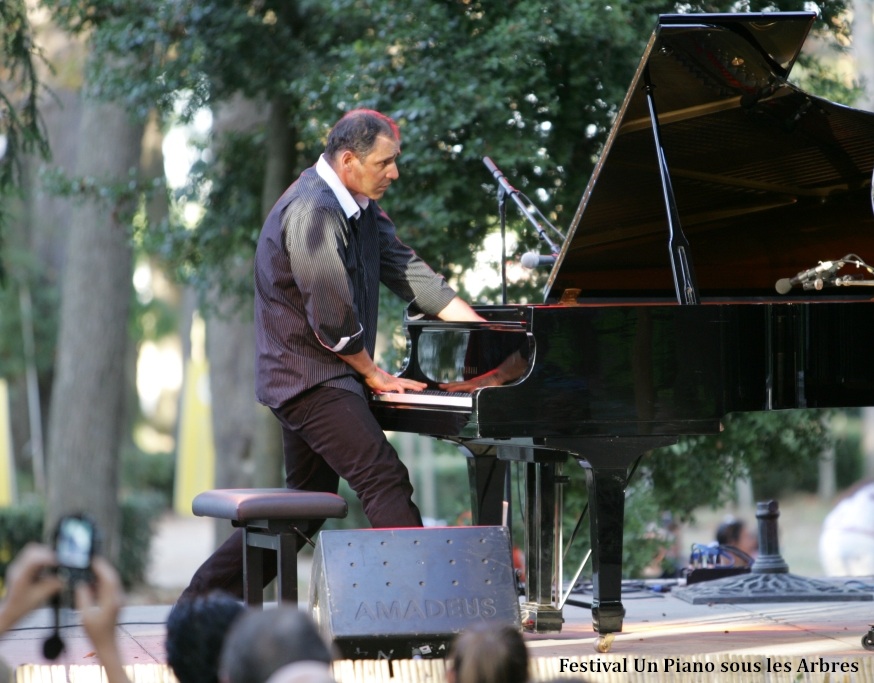
« The audience senses that this music is created in the moment and that, to a certain extent, through the quality of their listening, they take part in its creation. »
Discography
All compositions by Pascal Neveu (except « ’Round Midnight » and « The Wind »)
PART = Improvisation


Solo piano
MARCIAC IIlive
2024

MARCIAC Ilive
2010
PARIS JAZZ FESTIVALlive
2008
PASSAGE
2006

OUVERTURE
1998
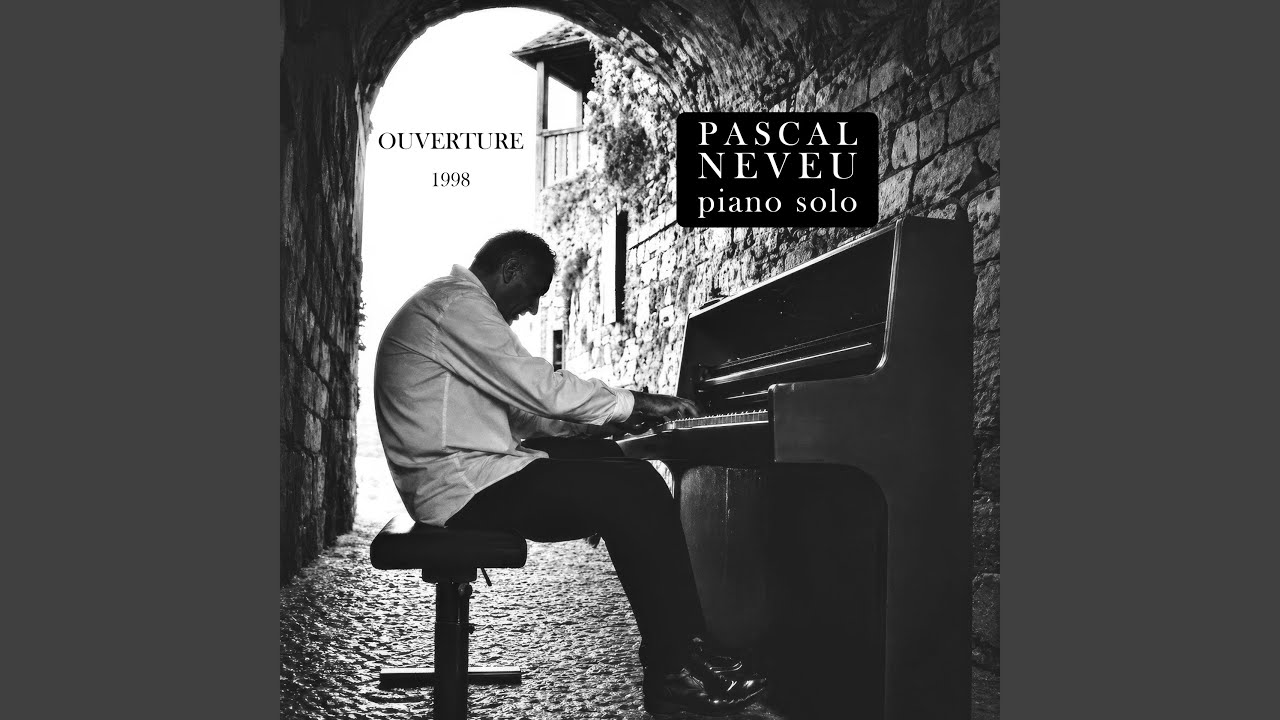
Duo
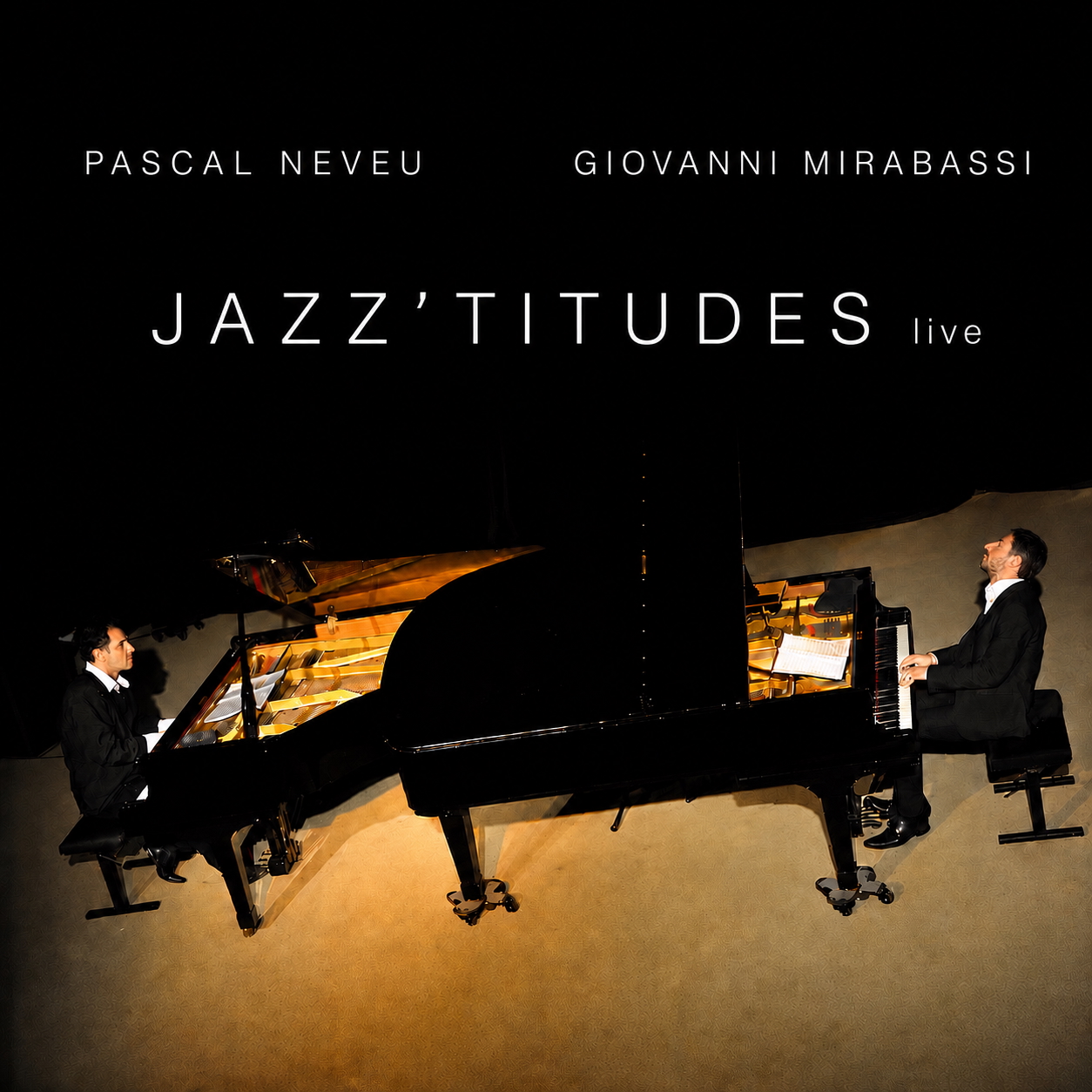
With Giovanni Mirabassi
JAZZ'TITUDESlive
2010
Trio
SIMPLE
2004
Quartet
JazzOrient
JAZZORIENT
2023
Video
In concert
Interview
Questions - Answers
Why does solo piano improvisation hold such a central place in your music?
Improvisation, and total improvisation even more so, is for me what most directly expresses who I am, in the moment. It is not a secondary form of jazz, but a demanding one: bringing to life a music that is living, immediate, and yet built.
The audience feels that this music is created in the moment and that, to a certain extent, through the quality of its listening, it takes part in its creation. It accepts the imperfections because it senses that the music engages the musician in his vulnerability, his doubts.
This « co-construction » gives a particular value to its success when it happens, precisely because it remains fragile and fleeting.
I believe the audience appreciates this particular way of experiencing music.
Why do you often play outdoors?
I have always loved nature. From the age of seven or eight, I would look at certain landscapes and think: « How beautiful it would be to play here! » By producing my concerts outdoors, I fulfilled that childhood dream.
I also wanted to bring solo piano jazz improvisation beyond the sole setting of specialised venues.
It is not about simplifying this music, but about shifting the conditions in which it is heard. The open air allows a direct encounter with an audience sometimes far removed from jazz or improvised music.
Why do you carry your own piano yourself?
Convinced of the reach of improvised solo piano with a wide audience, and faced with the little support given in France to this form of expression, I decided to carry my own instrument: first an upright piano, then my Yamaha grand pianos suited to outdoor concerts — C3, C6, C7 and today the CFIIIS.
What place does Jazz in Marciac hold in your career?
Jazz in Marciac holds an essential place in my career. It all really began there, in 2005, with my upright piano. I played ten hours a day, every day, like a child discovering a playground for the first time.
The audience's warm welcome was immediate. From 2005 to 2025, I gave nearly 750 concerts in the church garden, alongside the official programme while also being invited onto the festival's official stages: the Bis stage in solo piano, L'Astrada on two pianos with Giovanni Mirabassi.
Thanks to the audience's exceptional quality of listening and to my piano, we created, I believe, the equivalent of an open-air concert hall.
Jazz in Marciac is the only festival to have seen all my pianos: the upright piano of my childhood, then my Yamahas C3, C6, C7 and today the CFIIIS.
Which musical encounters have left their mark on you?
Keith Jarrett · Brussels, 2009
In October 2009, I went to the Bozar in Brussels to attend Keith Jarrett's solo piano concert, an artist I deeply admire.
During the interval, I spoke briefly with Steve Cloud, his longtime manager. At the end of the concert, he did me the honour of making my meeting with Keith Jarrett possible.
From that privileged moment I keep the image of a sensitive, unassuming man with a beautiful sense of listening. We talked about improvisation and the singular path each musician must find. I treasure his words, which confirmed how important it is to stay true to one's own music:
« Don't wait for anyone to judge your music. Only you can find the true path. Stay who you are! »
René Urtreger · Paris, 1995
In 1995, on the advice of a violinist friend, I went to Paris to meet René Urtreger at the Montana, a jazz club in Saint-Germain-des-Prés. She had described him as an approachable musician who would be moved by my music.
At the end of one of his sets, I asked whether he would let me play for him once his concert was over. Although he was expected for dinner, he agreed.
Once at the piano, I felt I would lose my composure if I played for him. So I chose to improvise as if I were alone at home. After listening to me, he asked what I had just played, then said:
« If what you have just played is truly improvisation, you are bursting with talent! »
Jan Garbarek · Sofia, 2008
In 2008, I was programmed at the Jazz+ festival in front of the Palace of Culture, ahead of the concert by Jan Garbarek and Manu Katché.
As the grand piano that had been planned did not arrive, I asked for an upright piano in order to give the opening concert. After two hours of improvisation, the festival director discreetly came up and whispered in my ear:
« Pascal, the audience has to come into the hall so that Jan Garbarek's concert can begin! »
Embarrassed, at the end of the concert I apologised to Jan Garbarek for the delay, which, fortunately for me, he took with good humour.
Open-air concerts
Concerts in the church garden
Concerts at the Paris Jazz Festival